
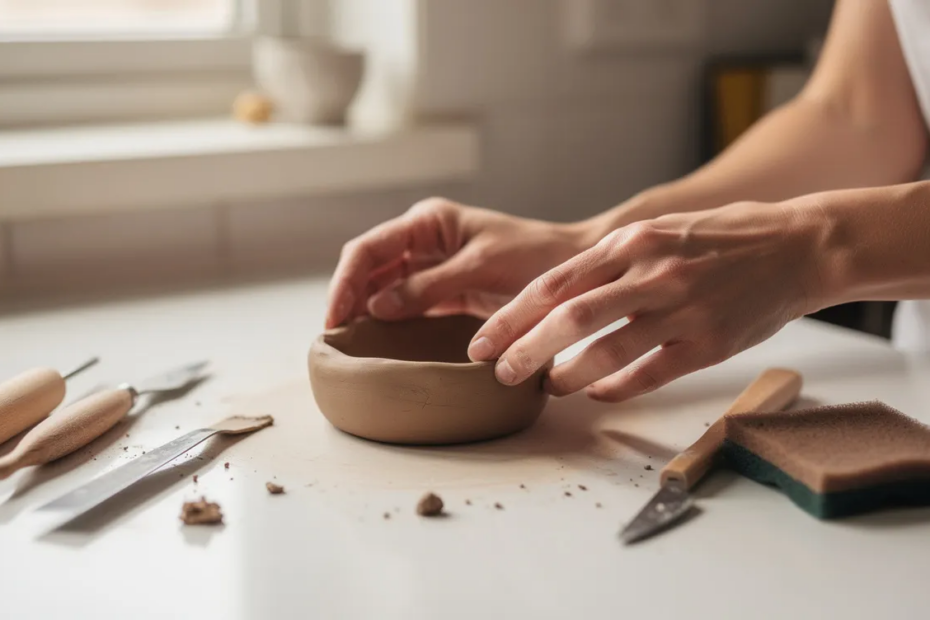
I am not a trained artist. I make trinket dishes, earrings, plant markers and tiny food charms from air dry and polymer clay at the end of my kitchen counter. I write down what cracked, what held and what I would buy again. Clay is my main practice and I think it is the easiest crafty hobby for most adults to begin, but this article compares several beginner friendly options so you can decide which one fits your life right now. I will explain how I chose them, walk through each one, and help you pick.
If you want to know which crafty hobby to try first, what feels calming versus fiddly, and which ones fit a free weekend and a small budget, keep reading.
Why a Crafty Hobby Is Worth Starting This Weekend
Before I settled on clay I wandered through a few crafts and left a trail of half-used supplies: a watercolor set with two pans missing, a bag of embroidery thread, some candle wax in a jar I never melted. That wandering taught me what to look for and what to skip. The crafting hobbies listed below all passed the checks I wish I had used from the start.
How I Chose These Crafty Hobbies
I am not ranking courses, classes or products. These are types of crafty hobbies that suit a table or counter and need no kiln, studio or big machines.
Criteria That Mattered Most
-
Low cost to begin. A first shopping list over about thirty dollars makes it hard to tell whether the craft matches your interests or whether you just like owning the gear. Spending less keeps the test honest.
-
Quick first result. If you can complete something in one evening, you learn whether the process itself holds your attention.
-
Easy to pause. Life interrupts. A craft you can set down mid-step and return to without waste is practical for adults with full schedules.
-
Forgiving of mistakes. Air dry clay can be squished back into a ball. That kind of room to experiment matters.
-
Space and mess on a kitchen counter. Can you clear it for dinner in five minutes?
-
Costs over three months. Some hobbies stay cheap; others demand new supplies, tools and materials each session.
Best Crafty Hobbies to Try at Home in 2026
Around seven hobbies that feel different in your hands and head, so you can pick by mood and space. I start with clay because it is my main practice, then move to fiber, paper, paint and wax.
1. Air Dry Clay Sculpting
Air dry clay is a water-based, kiln-free clay. You shape it, let it sit on a shelf, and it dries by releasing moisture into the air over 24 to 72 hours. Clay art allows creation of miniature figurines or vases, trinket dishes, plant markers and jewelry holders. The tools I keep at my counter fit in a shoebox: a rolling pin, a plastic knife, a needle tool, a small bowl of water, fine sandpaper and acrylic paint.
I began with air dry clay. My first trinket dish came out lopsided and cracked at the rim, yet I still use it for hair ties. That is a decent measure of success for a first project. Sketching designs before sculpting helped me waste less clay on later pieces.
Why It Stands Out
It gives beginners real clay with no kiln or wheel. The process is soothing; you smooth, shape and sand at your own pace. Pottery improves concentration and reduces stress, and air dry clay brings that same quality to a kitchen table. The ring dish and catch-all tray trend over the past few years made it popular for good reason. It is also versatile enough for decor, small organizers, and simple gifts.
Best For
-
Adults who want to make home decor in a weekend
-
People curious about pottery but without studio access
-
Anyone wanting a quiet, meditative hobby after screen-heavy days
Key Strengths
-
Low start-up cost; a one-kilo block plus household tools keeps spending well under thirty dollars
-
No kiln, no oven; drying happens on a shelf
-
Works with acrylic paints and water-based sealers
-
Air-dry clay can last for years without special storage if you wrap leftovers tightly
-
Common household tools work: butter knives, old brushes, smooth jars for rolling
Possible Limitations
Cracking. I have run into it again and again. Thick or uneven pieces dry unevenly, and thin edges curl. I once put a damp piece near a radiator and it split in under an hour. My fixes: roll to even thickness (no thinner than about 6 mm for structural parts), smooth the surface with a barely damp finger, and dry slowly away from heaters and sunny windows. Fill small cracks with fresh clay mixed into a paste, let it dry, then sand.
Air dry clay suits decor better than daily-use dishes. It is not food safe or waterproof, even with a sealer, so plan for display pieces and you will be satisfied.
2. Polymer Clay Jewelry and Miniatures
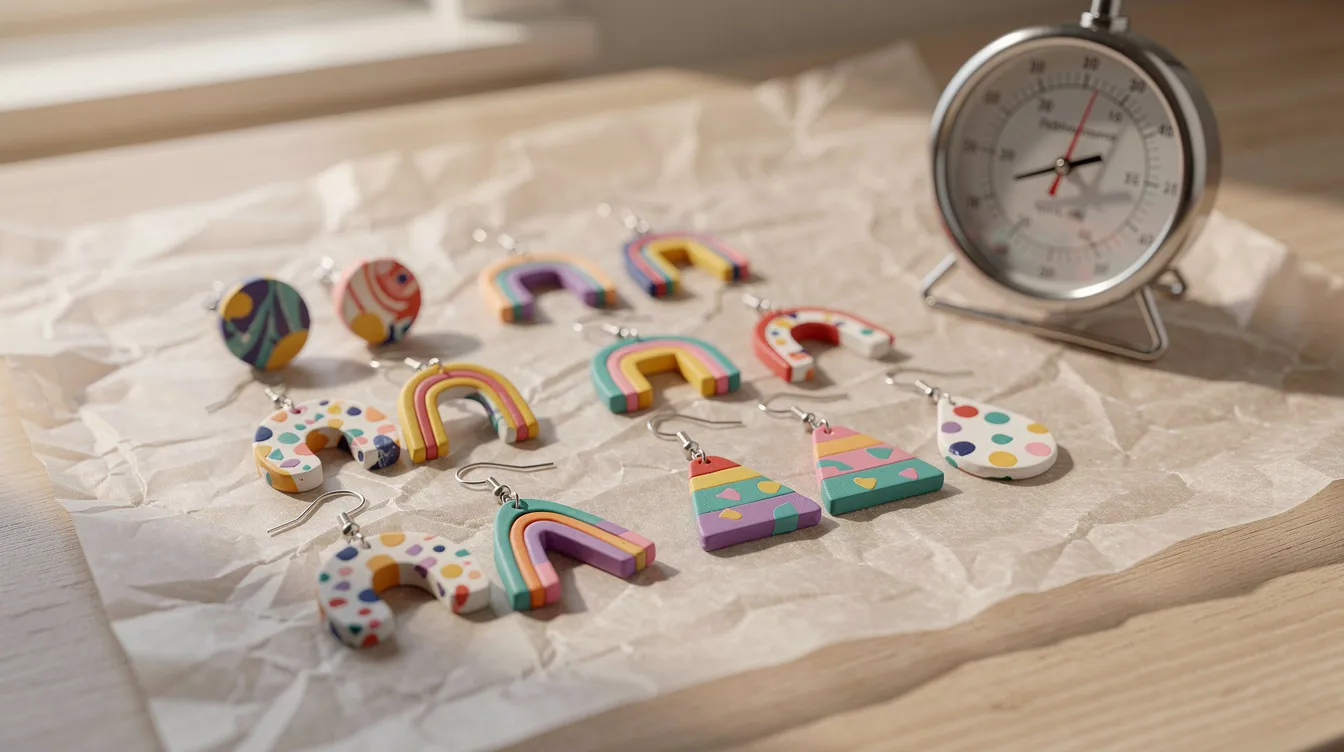
Polymer clay is a synthetic oven-bake clay made from PVC and plasticizers. It stays soft until you bake it; polymer clay requires baking to harden and set, usually at around 275 degrees Fahrenheit for 15 to 30 minutes per quarter inch of thickness. You can make jewelry holders using air dry or polymer clay, but polymer is better for earrings and charms because it holds fine detail. For background on its chemistry, see Wikipedia’s polymer clay page.
Why It Stands Out
It holds crisp edges and comes in many colors, so you can skip painting. Color work becomes a practice of its own as you mix shades for marbling, caning, and blending. Jewelry making can start with basic beading kits, but polymer clay gives you full control over shape, pattern and dimension.
Best For
-
Adults who like small, precise, colorful work
-
People who enjoy combining sculpting with color planning
-
Anyone with an oven they can protect from food contamination (use a dedicated tray and tent with foil)
Key Strengths
-
Durable once baked; pieces last for years of handling
-
Light enough for earrings, charms, and beads
-
Unbaked pieces stay soft for days, so you can work in long or interrupted sessions
Possible Limitations
Cost per block runs higher than air dry clay (roughly two to five dollars for a small block). You need a dedicated tray and tools kept away from food. Lint sticks to unbaked clay. Oven temperature control matters: many home ovens run 25 to 50 degrees off the dial, so use a thermometer. There is a slight smell during baking. If you want wearable jewelry, findings and jump rings add to the initial spend.
I moved to polymer a few months after starting with air dry and still use both. If you want the lowest risk entry, start with air dry. If you already love small, detailed, colorful things, start with polymer.
3. Embroidery on Clothes and Small Hoops
Hand embroidery is stitching designs into fabric with needle and thread, often on hoops, tote bags or old shirts. It is not my main craft, so I describe it from what it offers. Embroidery can transform worn patches into unique pieces, and punch needle is fast and forgiving compared to traditional embroidery techniques if you want quicker results.
Why It Stands Out
It packs into a small project bag, works in short sessions on the sofa, and shares design ideas with clay. Inspiration from one feeds the other.
Best For
Adults who like rhythmic, repetitive movement, want a quiet portable craft, or want to mend and decorate clothes they already own.
Key Strengths
-
Minimal tools: hoop, needle, thread, fabric, small scissors
-
Low cost to test
-
Easy to pause; nothing dries out or goes off
Possible Limitations
Slower pace frustrates people wanting a finished object in one afternoon. Fine detail needs good light, so a small lamp helps.
4. Simple Acrylic Painting on Canvas or Wood
Acrylic painting uses quick-drying, water-based paint on canvas panels, wood or thick paper. Painting primarily uses acrylic, watercolor, or oil paint; acrylics are the most forgiving for beginners because you can paint over dried layers. Watercolor painting requires very little setup and encourages expressive styles if you later want to explore that direction. Painting by numbers provides detailed art creation without needing drawing skills and is a good gateway. In simple words, drawing relies on dry media like pencil or charcoal, while painting relies on wet media, and drawing can be done with just pencils and paper, so if painting feels like too much, start there.
Best For
People who enjoy color more than sculpting, want visible progress in one to two hour sessions, or already buy acrylics for painting clay pieces.
Key Strengths for Creativity
-
Quick drying, easy water cleanup, cheap synthetic brushes to start
-
A finished piece goes straight onto a shelf or wall
Possible Limitations
Paint dries on the palette fast. Leftover paints and canvases build up. Use a drop cloth on a table you care about. Paint on glass palettes or jars can dry fast too, so cleanup matters.
5. Collage and Mixed Paper Craft
Collage is cutting and arranging paper, photos and scraps onto a base. Collaging uses old magazines and glue for creative artwork. It feels cool because even ordinary scraps can turn into something intentional. Many people start with junk mail, magazines and delivery cardboard, so it costs almost nothing. Origami requires only a piece of paper to start and pairs well with a collage practice.
Why It Stands Out
A low-pressure way to play with composition and color with no drawing or sculpting required. It ranges from simple mood boards to layered art journal pages.
Best For
Adults who enjoy cutting and rearranging without a plan, people who hoard interesting packaging, and anyone who wants zero drying time and no oven. It also suits anyone who likes working with paper, packaging, and other bits already around the house.
Key Strengths
-
Household materials, scissors and glue are the main tools
-
Flat storage in folders or shoeboxes
-
Collage ideas feed into clay surface designs later
Possible Limitations
Paper clutter spreads across the table. Finished pieces need to stay flat and dry. Some glue wrinkles thin paper; test on scrap first.
6. Hand Sewing and Small Quilted Projects
Hand sewing joins fabric with needle and thread for visible mending, tiny quilts, coasters or soft pouches. Old shirts or pillowcases work. Crochet is great for making small 3D plushies called amigurumi if you want a fiber craft with more dimension.
Why It Stands Out
It feels methodical and slow, like the smoothing stage of clay. You can quilt a small mug rug or sew a pin cushion for your craft corner.
Best For
People who like small repeated motions, do not mind visible stitches, and want a portable project that keeps fabric and textiles out of landfill.
Key Strengths
-
Low entry cost, reuse of scraps
-
Construction skills transfer to other crafts
-
Pause mid-seam without anything going stale
Possible Limitations
Hand strain from long stretches without breaks. Slower progress than machine sewing. Cutting straight edges in fabric takes practice.
7. Candle or Soap Making in Small Batches
Small-batch candle or melt-and-pour soap making uses ready-made wax or base melted in a double boiler or microwave. This skips cold-process soap that needs lye.
Why It Stands Out
Usable results within a day. Creative choices in container, fragrance and color feel similar to choosing finishes for clay. A finished candle is a practical gift for friends or family. The same setup can also support dream projects like signature scents or small seasonal batches once you know the basics.
Key Strengths
-
Strong sense of completion and joy in using what you made
-
Repeatable favorite recipes
-
Jars, tins and molds can be reused across crafts
Possible Limitations
Heat and safety require attention. Fragrance lingers in tools. Upfront cost is higher than paper hobbies. Some materials have a shelf life.
Quick Comparison of the Best Crafting Hobbies
A snapshot so you can skim which hobby fits your situation:
-
Air dry clay for kiln-free decor like trinket dishes and small sculptures on a weekend
-
Polymer clay for detail lovers with an oven who want earrings and miniatures
-
Embroidery for portable, quiet stitching and upcycling worn clothes
-
Acrylic painting for color play and quick visible progress
-
Collage for cheap, low-pressure creativity with what you have on hand
-
Hand sewing for practical, methodical fabric projects
-
Candle or soap making for usable, giftable results in one session
Other crafts worth a search if none of these click: adult coloring books require no artistic skill and provide a relaxing experience, basket weaving requires natural materials and basic tools, linocut printing uses carved designs to create repeated prints on paper or fabric, and screen printing can be used on textiles, ceramics, and wood, and a quick web search can help you find beginner examples and tutorials before buying supplies.
How to Choose the Right Crafty Hobby for You
You do not need to marry one craft. Pick one starter hobby for the next month and develop your sense of what suits you.
Choose Based on Your Space and Tools
Clay, collage and embroidery pack into a single box. I fit clay supplies in about a shoebox. Soap and candle making need heat-proof space. If you share a kitchen table, pick a craft you can clear in five minutes.
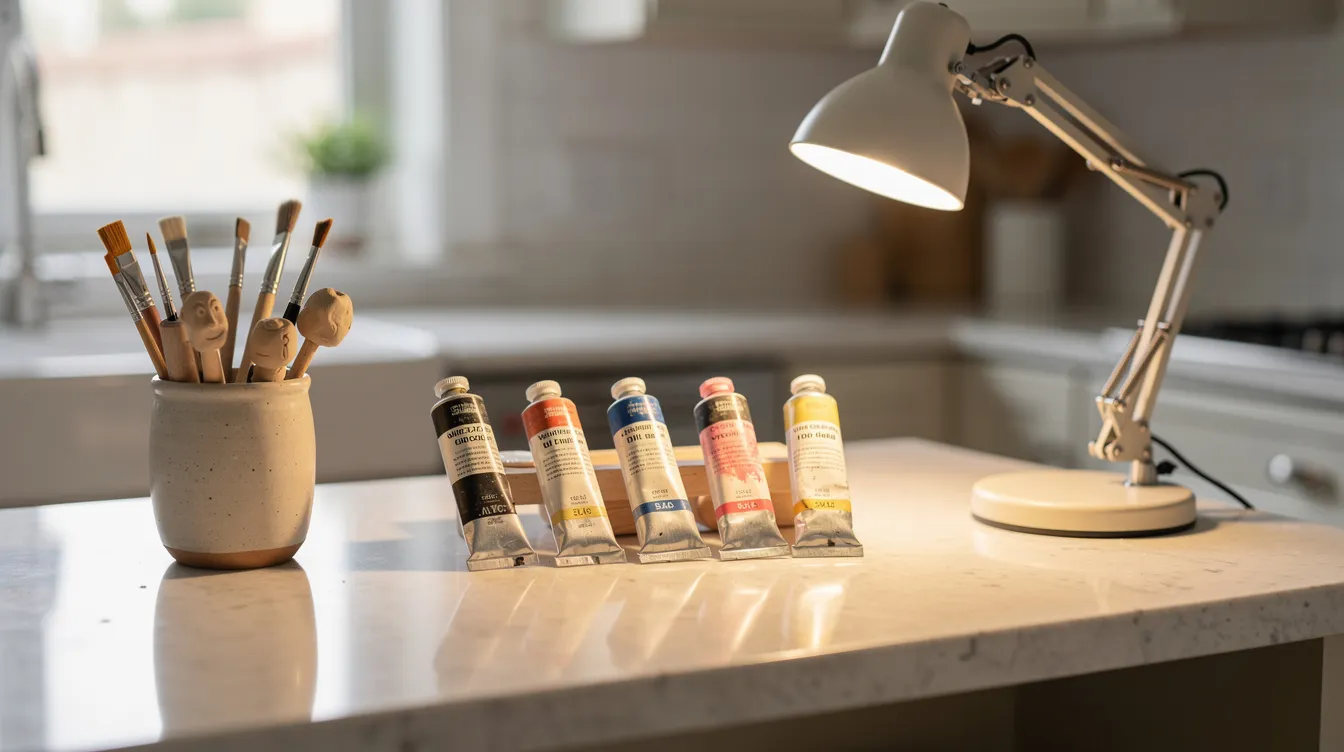
My habit: claiming a permanent patch of counter with a tile, a tub of tools and a small lamp meant I could start in under a minute. That low friction mattered more than purchasing the best supplies.
If you have a bit more room and want something sturdier, a wipe-clean surface at a back-friendly height makes long sessions more comfortable. If you want a sturdier setup of your own, you can build a DIY craft table at that height.
Choose Based on How You Like to Feel and Find Inspiration While Making
Tactile, squishy work (clay) suits people who enjoy kneading bread. Rhythmic stitching (embroidery, sewing) suits crossword fans. Visual color play (painting, collage) suits people who watch design videos on Pinterest and want to unleash creativity on a flat surface. Clay sanding and embroidery pair well with podcasts or music. Painting and collage tend to demand more visual concentration.
Choose Based on Time, Budget and Storage
A free Sunday once a month suits clay or candle making. Several short evenings a week suits embroidery or collage. A small clay kit costs little enough that a miss is no big loss; you discover whether the process itself holds your interest. For a full list of what I keep on hand, see the Supplies page. Think about where finished projects will live: small jewelry in a dish, flat collages in a folder, canvases stacked against a wall.
Which Crafty Hobby Should You Start With?
Give a hobby three or four short sessions before deciding. A good sign: you find yourself thinking about what to make next while doing something else. If you feel nothing after a few tries, move on to another hobby with the same checklist. You can explore at your own pace; nobody is grading you.
-
Choose air dry clay if you want a hands-on, soothing craft where you create home decor without a kiln
-
Choose polymer clay if you enjoy tiny details, bright colors and the idea of wearable pieces
-
Choose embroidery if you need a portable, quiet hobby that works in small repeatable chunks of time
-
Choose acrylic painting if you want to experiment with color and paint over mistakes
-
Choose collage or hand sewing if you prefer to work with what you already have at home
-
Choose candle or soap making if your goal is a practical, giftable result after one focused afternoon
Final Thoughts
There is no single correct crafty hobby. The best start is the one you can begin this month with the space, tools and budget you already have. My most rewarding habit with air dry and polymer clay has been treating each new hobby as an experiment, not a test. My first ten pieces were practice, and that was the point.
Pick one craft from this list. Learn a little, try a small project, and let practice matter more than technology or gear. Gather a modest set of supplies. Give it one dedicated weekend. If you find inspiration in the process and want to log what you learn, write it down; that is how I started this whole thing.
FAQ
What is the cheapest crafty hobby to start at home? Air dry clay is one of the cheapest I know. One pack, a rolling pin you already own and a few household tools. A fun first project costs under ten dollars in materials if you use items from around the house.
Do I need an oven for clay crafts? Not for air dry clay. Polymer clay needs a home oven at a low temperature (around 275 degrees Fahrenheit for most brands), so follow the package and use a tray kept just for clay.
How much space do I need? A tile or cutting board and a shoebox of supplies is enough. Many people learn the basics from tutorials before they set aside any permanent space. I work at the end of a kitchen counter.
Why does my air dry clay keep cracking? Usually it is too thick, uneven or drying too fast. Roll it evenly, smooth the surface with a damp finger, and dry it slowly away from direct heat. Fill cracks with a thin paste of fresh clay and water, let it dry, then sand.
Can I sell what I make? Many people turn a crafty hobby into a small business, but get good at the basics first, check your clay package for notes on use, and look up local rules for selling handmade goods. Do a quick web search or Google check for local rules and handmade marketplace policies too. The world of handmade marketplaces is wide; take your time before jumping in.
Are some hobbies easier to stick with than others? Yes. Some are easier to keep going when there is a community around them, like classes, meetups or even sharing progress with friends. It also helps to acknowledge what kind of support or accountability keeps you showing up.